

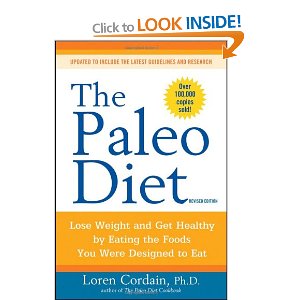
What is Paleo? and why is is so good?
The Paleo diet is brilliant simply because it matches our eating with our actual genetic make-up. But it’s nothing new, as thousands of years ago this was the only diet our ancestors knew. Sometimes crudely named, ‘the caveman diet’, it strips bare food processing and additives completely away, leaving on our plates what used to be good for us! Unprocessed, harmless food helps the body run effectively on the materials on which it was supposed to function.
When organic materials are digested without any artificial or manmade additives, the body finds it much easier to execute its full range of functions and chemical reactions. This also ensures toxins never become part of our diet, and as a result no internal organs are affected. The truth is because it’s high in natural proteins and vitamins, a Paleo diet can help reduce an individual lose weight and acquire adequate nutrition without much waste.
All you need to do is take out foods they didn’t have back then and replace them with lean meats, veggies, fruits, and healthy fat from sources like nuts! The trick is to balance the amount of these foods you consume.
In the 80’s S. Boyd Eaton and Melvin Konner published a paper in the “New England Journal of Medicine”, fully supporting Palaeolithic nutrition. It brought the Palaeolithic diet into the medical spotlight. Over the next 20 years hundreds of scientists, doctors, nutritionists and other medical professionals endorsed this diet through books, videos, papers and websites.
How about if we told you it completely eradicates sugar and disposes of the need to eat any form of grains? Remember, sugar causes energy lifts and then drops, turning to fat unless we use this immediately. This is when the real problems begin:
The first study on diets away from grains, dairy and processed foods was performed by Dr. Kerin O’Dea at the University of Melbourne and published in the Journal, Diabetes in 1984 (6). Dr. O’Dea gathered together 10 middle aged Australian Aborigines born in the “Outback”. They had lived as hunter gatherers until forced to settle into a rural community eating western food. All 10 became overweight and developed type 2 diabetes
The 10 then reverted to their former lives for a seven week period. They began to eat traditional fresh foods: kangaroos, birds, crocodiles, turtles, shellfish, yams, figs, yabbies (freshwater crayfish), freshwater bream and bush honey.
Amazingly the average weight loss in the group was 16.5 lbs; blood cholesterol dropped by whopping 12 per cent and triglycerides were reduced by a huge 72 per cent. Insulin and glucose metabolism returned to normal, and their diabetes completely disappeared. In real terms this was due to the paleo diet!
Exercises linked to the physical activity of our ancestors suggest such movements are the most natural form of exercise and are much more appropriate for developing fitness than modern machine-based exercise. This is why boot camp is perfect for the paleo diet lifestyle. Why? Because it can involve squats, running, jumping, dragging, throwing or equivalent movement using the same major muscle groups to raise your heart rate quickly. In short endurance, strength and cardiovascular challenges!
Paleo type meals carry a low glycemic load. Foods like this can help you maintain blood sugar levels and control appetite. On the Paleo Diet, you don’t need to look up glycemic values or to count calories or carbohydrates.
You can enjoy fruit, Vegetables, Meat, Fish and Seafood, Eggs, Nuts and seeds, Good fats (like olive oil, coconut and avocados). There are many foods in this category! They say water should be drunk if following the diet rigidly but you can also drink coffee. In fact just do everything else sensibly as well and you’ll feel the benefit for sure!
The Paleo Diet is 19 to 35 percent protein, 22 to 40 percent carbohydrate and 28 to 47 percent fat.
In a 2009 study, Dr. Frasetto and co-workers (1) put nine people who were largely inactive on a Paleo diet for just 10 days. In this experiment, the Paleo diet was exactly matched in calories with the individual’s usual diet.
Incredibly in such a short space of time either eight or all nine participants experienced improvements in blood pressure, arterial function, insulin, total cholesterol, LDL cholesterol and triglycerides.
The Paleo lifestyle will lead to better workouts and improved sleep patterns. You’ll soon have balanced energy across the day and it’ll burn off that stored fat. It’s a low carbohydrate diet of course, and this can only help weightloss over time. Oh and you’re getting regular fibre!
The New England Journal of Medicine (8) conducted a randomized trial in 2010 involving 773 people. They confirmed high protein combined with glycemic index diets were the most effective way of keeping weight off.
Scientific research and epidemiological studies have demonstrated diets rich in Monounsaturated and Omega-3 fats dramatically reduce the emergence of obesity, cancer, diabetes, heart disease and cognitive decline. What more could you want?
With a very simple move we not only remove the foods presenting a risk to our health (grains, legumes, and dairy) but we also increase our intake of vitamins, minerals, and antioxidants. You still enjoy your food without the anxiety of counting calories all the time!
For me, Paleo diet is the best choice for Fat Loss and optimum health! 😉
By North East Personal Trainer and Biosignature Practitionor Darren Tyrie
References
Journal Diabetes 1984 University Of Melbourne Study
New England Medical Journal ‘Paleolithic Nutrition’
Dr. Frasetto and co-workers 2009 paleo diet study
Interesting read