
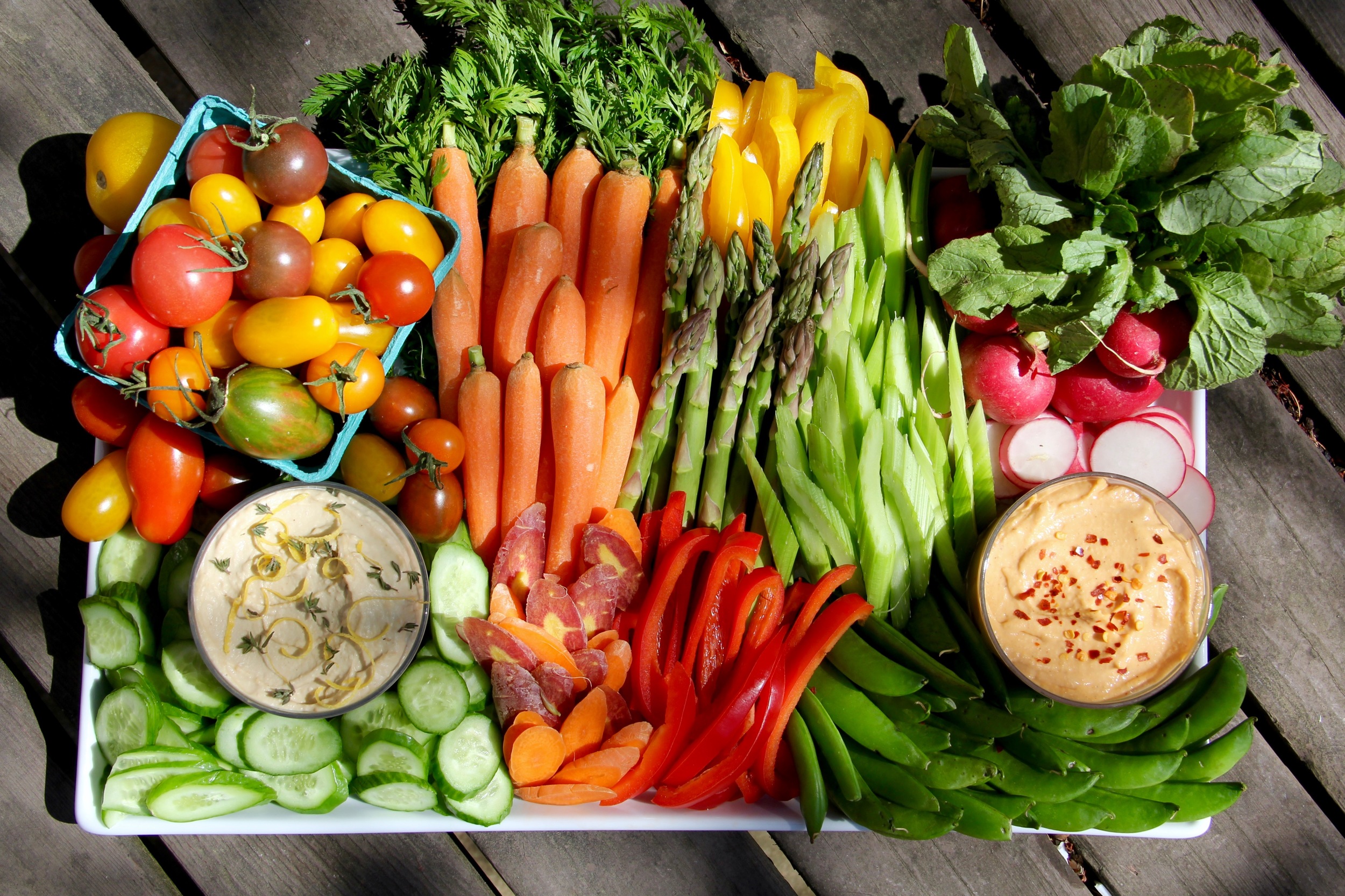
10 Reasons to Eat More Vegetables for Optimum Health and Fat Loss
Incorporating more vegetables into your diet can be a game-changer for both your overall health and your weight loss goals. Vegetables are packed with essential nutrients, fiber, and antioxidants that support a wide range of bodily functions. Below are ten compelling reasons why you should eat more vegetables to improve your health and accelerate fat loss:
1. Rich in Nutrients, Low in Calories
Vegetables are nutrient-dense, meaning they provide a lot of essential vitamins and minerals without adding many calories to your diet. This makes them an excellent choice for those looking to lose weight or maintain a healthy weight. Nutrients like vitamin C, potassium, magnesium, and folate are abundant in vegetables, helping to support immune function, muscle health, and overall well-being.
2. High in Fiber for Digestive Health
Fiber is a crucial component of a healthy diet, and vegetables are an excellent source. Fiber aids in digestion, promotes healthy gut bacteria, and helps prevent constipation. More fiber in your diet also promotes satiety, making you feel fuller for longer, which can help control overeating and contribute to fat loss.
3. Boost Metabolism
Certain vegetables, particularly leafy greens and cruciferous vegetables like broccoli and cabbage, contain compounds that may help boost metabolism. These vegetables are also low in calories, making them a smart choice to include in fat-loss meal plans. When paired with regular exercise, these veggies can support an active metabolism and help burn fat more effectively.
4. Control Blood Sugar Levels
Vegetables, especially non-starchy ones, are low on the glycemic index, which means they cause only a small, slow rise in blood sugar levels. This helps to maintain stable blood sugar, which can reduce cravings, improve energy levels, and prevent insulin spikes that contribute to fat storage.
5. Antioxidants to Fight Inflammation
Many vegetables are rich in antioxidants like vitamin C, beta-carotene, and flavonoids that help reduce inflammation in the body. Chronic inflammation can impair metabolism and hinder fat loss efforts. Including a variety of colorful vegetables in your diet can support your body’s ability to fight inflammation, leading to better overall health and fat loss.
6. Help Regulate Hormones
Hormones play a key role in weight regulation and fat loss. Vegetables like cruciferous veggies contain compounds that support healthy estrogen metabolism, which may be especially important for weight management. Hormonal balance is crucial for both fat loss and overall health, and eating a variety of vegetables can promote this balance.
7. Hydration Boost
Vegetables have a high water content, which can contribute to your daily hydration needs. Proper hydration is important for metabolic function, energy levels, and weight loss. Vegetables like cucumbers, celery, and lettuce are over 90% water and can help keep you hydrated, improve skin health, and reduce bloating.
8. Support Healthy Skin and Hair
Vegetables are rich in vitamins and minerals like vitamin A, vitamin C, and zinc, all of which are essential for maintaining healthy skin and hair. These nutrients also play a role in collagen production, which is vital for skin elasticity and youthfulness. When you’re eating more vegetables, you’re nourishing your body from the inside out, supporting both fat loss and overall appearance.
9. Reduce Appetite and Cravings
Because vegetables are high in water and fiber, they can help you feel fuller and more satisfied after meals. This reduces the likelihood of snacking on unhealthy, calorie-dense foods. When you’re looking to lose fat, keeping cravings at bay is essential, and incorporating more vegetables into your meals can help keep your appetite in check.
10. Promote Long-Term Health and Longevity
Eating more vegetables can help lower the risk of chronic diseases like heart disease, diabetes, and certain types of cancer. A vegetable-rich diet supports the health of your cardiovascular system, immune system, and even brain function. By prioritizing vegetables, you’re setting yourself up for better health now and into the future.
Conclusion
Eating more vegetables isn’t just about losing fat—it’s about investing in your long-term health. Vegetables are packed with essential nutrients, fiber, and antioxidants that benefit everything from your digestion to your metabolism to your overall well-being. Whether you’re trying to lose weight or simply improve your health, increasing your vegetable intake is one of the simplest and most effective steps you can take. Start small by adding a variety of colorful vegetables to your meals, and watch as they improve both your health and your fat loss journey.
Looking for extra help and support with your results? Want to learn more?…
Find out more about our famous 21 Day Body Transformation Challenge CLICK HERE