
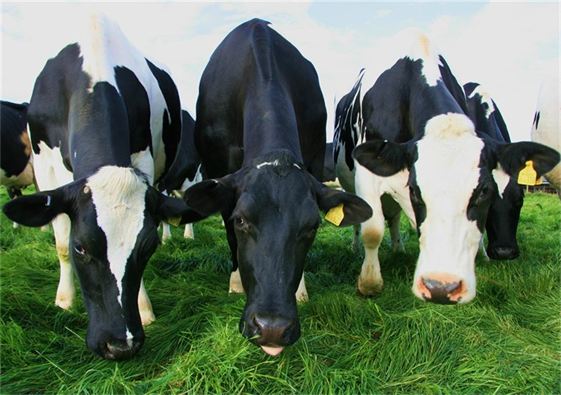
THE DEAL WITH DAIRY
It is very much an individual decision when it comes to deciding whether or not to include dairy in your diet. Some nutritionists strongly argue that adults should not be consuming milk based products as we lose the ability to digest the sugar (lactose) in milk at an early age when our bodies stop producing lactase enzymes. Some experts have voiced concerns about the growth factors and hormones in milk and there potential to promote the development of certain cancers. Other studies link dairy with autoimmune conditions like inflammatory bowel disease, rheumatoid arthritis and multiple sclerosis. So if you have health issues you wish to resolve, it is worthwhile removing dairy products for a period of time to see if your symptoms improve.
It is important to understand that not all dairy is equal. Products from grass fed animals that have been well reared and nurtured naturally can provide an excellent source of vitamins, minerals and essential fats. Dairy products that consist predominantly of fat, for example double cream or butter, are low in lactose, contain vitamins A,D, E, K and a healthy fat known as conjugated linoleic acid found to have anti-cancer properties. Ghee, which is clarified butter, has no lactose in it and is great for cooking if you are lactose intolerant.
Fermented dairy products are excellent for replenishing good bacteria (probiotics) in the gut and these also contain very little lactose as the bacteria consume the lactose during the fermentation process. Kefir (fermented milk) is probably the most widely available. Unpasteurised dairy or ‘raw’ dairy, although difficult to obtain, has recently become renowned for its health properties. Unlike pasteurised milk, raw milk still contains the lactose enzymes so the body can easily break down the lactose. Studies are researching the potential for raw milk to protect the body against viruses and bacteria providing an anti-microbial effect.
You should always aim to at least limit consumption of commercially-produced dairy products and low fat or processed dairy as these are subjected to a number of chemical processes which remove most of the nutritional goodness:, primarily these products:
- Skimmed, semi skimmed and whole homogenised milk
- UHT milk
- Cream substitutes
- Low fat or processed cheeses
- Low fat spreads or margarines
In supermarkets buying full fat, organic dairy is the best option. Cream, natural yoghurt and butter offer the most nutritional benefit:
- Organic or untreated/ raw double cream
- Grass fed butter or ghee
- Live natural yoghurt
- Kefir
- Unpasteurised or ‘raw’ milk
Reference Fitter Foods by Marsden and Matt Whitmore