
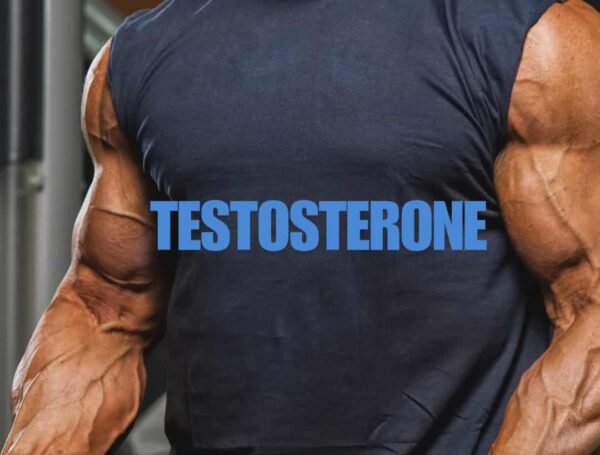
Testosterone is often called the “male hormone,” but it’s crucial for everyone, regardless of gender. It plays a vital role in muscle growth, mood regulation, energy levels, and fat metabolism. Understanding how testosterone functions and why it’s essential can help you optimize your health, especially if fat loss is a goal.
What is Testosterone?
Testosterone is a steroid hormone primarily produced in the testes in men and the ovaries in women, with a small amount produced by the adrenal glands in both sexes. It belongs to the class of androgens and is essential for the development of male sexual characteristics, but it also influences many other physiological processes.
Why is Testosterone Important for Fat Loss?
Testosterone plays a pivotal role in body composition and fat metabolism due to several mechanisms:
- Boosts Muscle Mass: Testosterone promotes muscle protein synthesis, helping build and maintain lean muscle mass. Since muscle tissue burns more calories at rest compared to fat tissue, having more muscle increases your basal metabolic rate (BMR), aiding fat loss.
- Enhances Fat Burning: Testosterone influences fat distribution and supports the breakdown of fat cells for energy. It helps reduce visceral fat (the harmful fat around your organs), which is linked to various metabolic diseases.
- Improves Insulin Sensitivity: Healthy testosterone levels can improve insulin sensitivity, which helps regulate blood sugar and reduces fat storage.
- Increases Energy and Motivation: Testosterone contributes to higher energy levels and motivation, enabling you to exercise more effectively and maintain an active lifestyle essential for fat loss.
Testosterone is a key hormone in the body that naturally declines as we age. Starting around the age of 30, testosterone levels gradually decrease each year, which can impact muscle mass, energy, mood, and overall vitality. This decline is a normal part of aging and varies from person to person.
Signs of Low Testosterone
Low testosterone, medically known as hypogonadism, can significantly impact your physical and mental health. Common signs include:
- Increased Body Fat: Particularly around the abdomen.
- Loss of Muscle Mass and Strength: Difficulty building or maintaining muscle.
- Fatigue and Low Energy: Persistent tiredness despite rest.
- Decreased Libido: Reduced sexual desire and performance.
- Mood Changes: Irritability, depression, or decreased motivation.
- Poor Concentration and Memory: Brain fog or difficulty focusing.
- Sleep Problems: Insomnia or poor sleep quality.
- Reduced Bone Density: Leading to increased risk of fractures.
If you experience several of these symptoms, it may be worth discussing testosterone testing with your healthcare provider.
Tips to Improve Testosterone Levels Naturally
Boosting testosterone doesn’t always require medication. Several lifestyle changes can help improve your levels naturally:
- Exercise Regularly: Resistance training and high-intensity interval training (HIIT) are especially effective for increasing testosterone.
- Maintain a Healthy Diet: Focus on whole foods rich in zinc, vitamin D, healthy fats (like omega-3s), and protein. Avoid excessive sugar and processed foods.
- Get Enough Sleep: Aim for 7-9 hours per night, as sleep is critical for hormone production.
- Manage Stress: Chronic stress elevates cortisol, a hormone that can negatively impact testosterone.
- Maintain a Healthy Weight: Excess fat can convert testosterone into estrogen, reducing testosterone levels.
- Limit Alcohol and Avoid Drugs: Excessive alcohol and certain drugs can lower testosterone production.
- Get Sunlight or Supplement Vitamin D: Vitamin D deficiency is linked with lower testosterone levels.
- Avoid Endocrine Disruptors: Reduce exposure to chemicals like BPA found in plastics, which can interfere with hormone balance.
When to Seek Medical Advice
If lifestyle changes don’t help and symptoms persist, consulting a healthcare provider is essential. They may recommend hormone testing and discuss potential treatments, including testosterone replacement therapy (TRT) if appropriate.
In Summary
Testosterone is a cornerstone hormone for maintaining lean muscle, burning fat, and overall vitality. Low testosterone can make fat loss more challenging and affect your quality of life, but recognizing the signs and adopting healthy lifestyle habits can help keep your levels optimal. Prioritizing exercise, nutrition, sleep, and stress management is your best natural strategy for boosting testosterone and supporting your fat loss journey.