
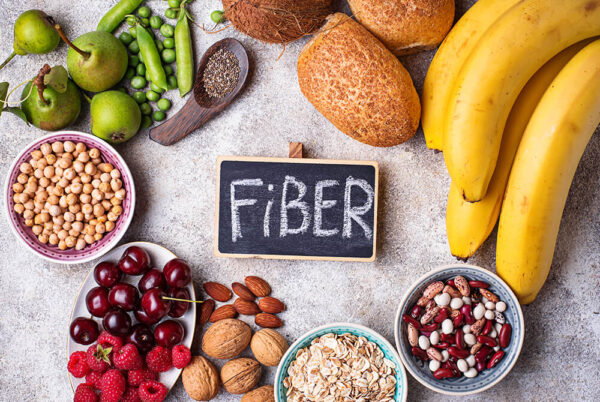
Fibre is one of the most important – yet most overlooked – nutrients in our diet. While carbohydrates, protein, and fats often get the spotlight, fibre quietly plays a powerful role in digestion, gut health, blood sugar control, heart health, and long-term weight management. For me, it’s one of the most important tools to support fat loss and promote better health!…
Folk these days (mostly the yougins), just don’t seem to understand WHY veggie intake is so important.
Checkout some of the Common Signs of Low Fibre Intake:
Digestive symptoms, Constipation (hard, infrequent poos)
Bloating or gas, Abdominal discomfort, Feeling full but not satisfied after meals
Irregular bowel movements, Appetite and energy changes
Frequent hunger or cravings, especially for sugary foods
Energy crashes due to rapid blood-sugar spikes
Difficulty maintaining a healthy weight
Not to mention the Health Problems Associated With LONG-Term Low Fibre Intake:
Gut and digestive health, Chronic constipation, Hemorrhoids, Diverticular disease
Increased risk of colorectal cancer, Imbalanced gut microbiome (less beneficial bacteria)
Heart and metabolic health, Higher cholesterol levels (especially LDL)
Increased risk of heart disease, Poor blood sugar control
Higher risk of type 2 diabetes, Weight and inflammation
Weight gain or obesity, Low-grade chronic inflammation
Reduced satiety, leading to overeating
Immune and mental health links
Weakened immune function (via poor gut health)
Increased risk of depression and anxiety (gut–brain axis effects)
So yeh, fibre intake is VERY important for overall health, especially if you’re trying to get back in shape. Understanding the difference between soluble and insoluble fibre, and why we need both, can help you make smarter food choices and achieve better health and weight loss results.
What Is Fibre?
Fibre is a type of carbohydrate found in plant foods that the body cannot fully digest or absorb. Instead of being broken down for energy, fibre passes through the digestive system, supporting multiple bodily functions along the way.
Unlike other carbohydrates, fibre:
Does not spike blood sugar
Helps regulate digestion
Supports fullness and appetite control
There are two main types of fibre: soluble and insoluble. Each plays a different but equally important role.
Soluble Fibre: The Blood Sugar and Appetite Regulator
What Is Soluble Fibre?
Soluble fibre dissolves in water to form a gel-like substance in the gut. This gel slows digestion and nutrient absorption.
Benefits of Soluble Fibre
1. Improves blood sugar control
Soluble fibre slows the absorption of sugar, helping prevent sharp spikes and crashes in blood glucose. This is especially beneficial for people with insulin resistance or type 2 diabetes.
2. Supports weight loss and appetite control
By slowing digestion, soluble fibre helps you feel fuller for longer. This reduces hunger, snacking, and overall calorie intake without conscious restriction.
3. Lowers cholesterol
Soluble fibre binds to cholesterol in the digestive tract and helps remove it from the body, supporting heart health.
4. Feeds healthy gut bacteria
Many soluble fibres are fermentable, meaning they act as prebiotics that nourish beneficial gut bacteria, improving gut health and immunity.
Foods High in Soluble Fibre
Oats and oat bran
Barley
Beans, lentils, and chickpeas
Apples, pears, berries
Chia seeds and flaxseeds
Psyllium husk
Insoluble Fibre: The Digestive System’s Clean-Up Crew
What Is Insoluble Fibre?
Insoluble fibre does not dissolve in water. Instead, it adds bulk to stool and helps move food through the digestive tract more efficiently.
Benefits of Insoluble Fibre
1. Promotes regular digestion
Insoluble fibre helps prevent constipation by speeding up the movement of waste through the gut.
2. Supports gut health
Regular bowel movements reduce gut inflammation and lower the risk of digestive disorders such as diverticulosis.
3. Helps with long-term weight control
While insoluble fibre doesn’t slow digestion like soluble fibre, it adds volume to meals, helping you feel physically full with fewer calories.
4. Supports metabolic health
Diets high in insoluble fibre are linked to lower risk of type 2 diabetes and improved insulin sensitivity over time.
Foods High in Insoluble Fibre:
Whole wheat and whole grain products
Brown rice
Nuts and seeds
Vegetables (especially skins and stalks)
Cauliflower, green beans, carrots
Bran cereals
Why Fibre Is Essential for Weight Loss
Fibre supports weight loss in multiple powerful ways, without the need for extreme dieting.
1. Increased Fullness on Fewer Calories
High-fibre foods are naturally more filling and take longer to eat and digest. This helps reduce overall calorie intake while still feeling satisfied.
2. Better Blood Sugar Stability
Stable blood sugar means fewer cravings, less energy crashes, and better control over hunger hormones.
3. Improved Gut Health
A healthy gut microbiome influences appetite regulation, fat storage, and inflammation – all key factors in weight management.
4. Reduced Overeating
Fibre-rich meals encourage mindful eating and reduce the urge to snack between meals.
How Much Fibre Do We Need?
Most adults need 25–38 grams of fibre per day, yet many people consume far less.
Women: ~25 grams per day
Men: ~30–38 grams per day
A balance of both soluble and insoluble fibre is key. Focusing on whole, minimally processed plant foods naturally provides this balance.
Tips for Increasing Fibre Safely
Increase fibre gradually to avoid bloating
Drink plenty of water
Include vegetables at every meal
Swap refined grains for whole grains
Add beans, lentils, or seeds to meals
Choose whole fruits instead of juices
The Bottom Line
Fibre is a cornerstone of good health and sustainable weight loss. Soluble fibre helps control blood sugar, cholesterol, and appetite, while insoluble fibre keeps digestion regular and supports gut health. Together, they create a powerful foundation for long-term wellbeing.
Rather than focusing on restriction, increasing fibre is a positive, nourishing way to support your body, improve health markers, and achieve lasting weight loss results.